Looking for books like Game of Thrones can mean several different things. You might want the disputes between the Starks and Lannisters, the uncertainty of trusting an ally, or the consequences of a ruler putting family before everyone else. You might instead want another large world with military campaigns, competing peoples and a supernatural danger that cannot be settled by winning a throne.
This selection covers seven series, including my own Chronicles of Wetherid in a clearly labelled author’s section. Each comparison explains the connection to Martin’s novels and the television adaptation, the important differences, and the English book to start with. Completion matters too: some recommendations offer a finished main story, while others continue beyond a completed opening sequence. The table helps you choose according to the experience you actually want.
Only watched the show? Start with Martin’s novels
If you have only watched the television series, consider Martin’s own A Song of Ice and Fire first. Begin with A Game of Thrones and follow the novels in publication order. The opening takes you back to familiar people and places, but knowing the adaptation does not remove the value of reading it. A viewpoint chapter reveals what one character notices, assumes and misunderstands. You may know something that this character does not, while still having to judge whether their interpretation of another person is reliable.
That changes the experience of a conversation about honour, marriage or an apparently helpful offer. On screen, an actor’s performance and the dialogue must do much of this work; the novels can also show the reasoning that makes a decision persuasive to the person taking it. The books also develop people and storylines that the adaptation changes or omits, including Arianne Martell. Martin discusses these differences between his books and HBO’s series himself. Starting at a supposedly equivalent later season can therefore leave you without essential context.
The novel sequence is unfinished. Five main novels have been published, and Martin’s official bibliography lists The Winds of Winter and A Dream of Spring as forthcoming. There is no confirmed publication date for The Winds of Winter. The television ending is not an already published ending to the books. If a finished story is your priority, The First Law’s original trilogy, Memory, Sorrow and Thorn, The Wheel of Time, Malazan’s main sequence and The Dagger and the Coin offer completed sequences. The Stormlight Archive has completed its first major arc but remains an ongoing series.
Political intrigue: what gives a ruler the ability to act?
A legal claim and the means to enforce it are different things in Westeros. Family connections, money, office and military support can pull a decision in different directions. A useful recommendation should therefore explain how power works in another story. Abercrombie makes institutions and coercion important; Williams begins with a royal succession crisis; Abraham gives banking and trade a substantial role alongside military force. These are related interests, but they do not produce the same kind of political plot.
Characters: how much should you trust their own explanation?
Martin’s changing viewpoints make it possible to understand a person’s reasons without accepting the harm they cause. Someone can show loyalty to a family while behaving cruelly towards strangers. If that interests you, a large cast alone is not enough. Look for decisions that expose the difference between self-image and behaviour. The First Law makes this especially prominent. Jordan and Sanderson also follow several perspectives, while giving more space to personal development and responsibility for unusual abilities.
War and magic: which part of the experience matters most?
Battles, dragons and the danger beyond the Wall can also be legitimate reasons to look for another series. Malazan places soldiers and campaigns alongside directly intervening gods. Stormlight examines magical abilities and their military uses in much more detail than Martin’s early novels. Choose those recommendations for these particular strengths. If you mainly want court conversations and competing families, their additional interests matter to your decision: a much larger magical conflict does not automatically recreate the politics of King’s Landing.
About the stars: these are my personal ratings as an author and reader, not averages of customer reviews or platform scores.
1. The First Law Trilogy (Joe Abercrombie)
3 novels, original trilogy complete · Start with The Blade Itself · Further standalone novels and trilogies share the world
4.8/5Personal rating by Christian Dölder · author and reader
Choose this if… You want political pressure and compromised characters whose explanations do not excuse what they do.
Focus:
Institutions and coercionConflicting personal motivesBlack humour
The Blade Itself introduces people with very different relationships to violence and authority. Logen Ninefingers is trying to survive the consequences of an extensively violent past. The young officer Jezal dan Luthar is preoccupied with status and fencing. Inquisitor Glokta extracts confessions for an institution whose purposes extend beyond any single investigation. War in the North adds pressure to their separate situations. Each man has his own aims, but earlier actions, superiors and political offices restrict his choices. Their individual perspectives make it possible to recognise a justification and still question the conduct it supports.
The comparison with Martin and the television series
That is the strongest connection to Martin: understanding someone does not mean accepting their account of themselves. Westeros also contains people whose reputation or understandable motive cannot make the consequences of an action harmless. Glokta provides a particularly concrete example of political authority exercised through threats and forced testimony. For viewers who enjoy Tyrion’s observations and the conversations around royal influence, Abercrombie’s black humour offers an additional point of contact. Glokta is not another Tyrion, however. His work, his dependencies and the suffering he inflicts create a different relationship between intelligence and power.
Differences, reading order and completion
The original trilogy concentrates more tightly on its central characters than Martin’s extensive family histories. Do not expect the same arrangement of noble houses or an identical struggle over hereditary claims. The opening also takes time to establish its characters before all the connections between their assignments become clear. Read The Blade Itself, Before They Are Hanged and Last Argument of Kings in that order. They complete the original trilogy; the first volume is not a complete standalone story. Later novels expand the setting. Choose this opening sequence for its character contradictions and coercive institutions, rather than assuming that every First Law book belongs to one uninterrupted trilogy.
Completed trilogy; four paperbacks in some editions · Start with The Dragonbone Chair · Setting: Osten Ard
4.5/5Personal rating by Christian Dölder · author and reader
Choose this if… You want endangered kingdoms and a disputed throne alongside a long journey and a more hopeful heroic story.
Focus:
Disputed successionCourt conflict and travelOlder conflicts between peoples
Simon begins as a kitchen boy at the Hayholt, knowing a court through service rather than political authority. As the old king approaches death, the question of succession threatens people far beyond the royal family. Older enmities and supernatural danger become involved in the choices of living rulers. A struggle over who should govern becomes a conflict affecting several peoples and realms. Simon’s limited knowledge matters to the adventure: the history he has accepted and the ambitions he imagines for himself do not adequately explain what others are doing.
The comparison with Martin and the television series
The connection to Martin lies in the relationship between immediate political rivalry and a threat that cannot be resolved by one family’s victory. Both stories make old grievances relevant to current decisions. For viewers interested in the threatened northern lands and the difficulty of cooperation between possible allies, that offers a useful comparison. Williams gives Simon’s everyday life, travels and meetings substantial space, however. Discovering the world and reconsidering its inherited accounts are central pleasures. Ancient peoples should not simply be treated as substitutes for the White Walkers; their histories and purposes belong to a different story.
Differences, reading order and completion
Williams places greater emphasis on growth, companionship and the possibility of useful resistance. Readers who chiefly want Martin’s cynical court exchanges may find Abercrombie a more immediate choice. Choose Williams if you also want patient exploration and the development of an inexperienced protagonist. Read The Dragonbone Chair, Stone of Farewell and To Green Angel Tower. Those are three novels. The final novel is commonly split into two paperback parts, which explains four-volume sets without creating a fourth original novel. Later Osten Ard books extend the setting; they are additional reading, rather than missing instalments required to finish this first trilogy.
5 main novels published · First arc complete; wider series ongoing, 10 main novels planned · Start with The Way of Kings
4.7/5Personal rating by Christian Dölder · author and reader
Choose this if… You want rival commanders and several perspectives, with more attention to magic and personal heroism.
Focus:
Competing highprincesLeadership and responsibilityExtensive magical abilities
Alethkar’s highprinces are fighting a war while continuing to pursue individual advantages. Dalinar wants cooperation; Kaladin, reduced to slavery, experiences the human cost of decisions made by commanders. Shallan seeks knowledge while concealing a dangerous intention of her own. Their different positions change what the same political and military order means to them. Leadership is examined from the position of those issuing orders and those expected to pay for them. This gives readers interested in the effects of rule a more specific reason to try the series than its large cast or long volumes alone.
The comparison with Martin and the television series
The most direct Game of Thrones comparison is the failure of a common enemy to eliminate competition between supposed allies. A highprince can benefit personally from conduct that makes cooperation harder. Westeros presents similar problems when someone must surrender an immediate advantage in exchange for another ruler’s uncertain future support. Sanderson connects these decisions closely to questions of personal responsibility and magical power. Viewers who enjoy large battles and extraordinary abilities have an additional reason to read him. Those mainly looking for restrained magic and disputes over hereditary claims should recognise that this is a different emphasis.
Differences, reading order and completion
Personal change, ideals and spectacular magic occupy more space here than in Martin. Abilities and their limits receive extensive attention; characters struggle to act according to commitments rather than merely dismissing every ideal as a disguise. Less explicit treatment of some kinds of violence does not make the story free of severe suffering. Start with The Way of Kings. Five main novels are published through Wind and Truth, which concludes the first major arc. The wider series remains unfinished, with ten main novels planned in two sequences. Some English editions split individual novels into parts, and additional novellas also exist. Count the novels included in a set, rather than treating every physical volume as a separate main instalment.
14 main novels plus the separate prequel New Spring · Complete; finished by Brandon Sanderson · Start with The Eye of the World
4.6/5Personal rating by Christian Dölder · author and reader
Choose this if… You want a very long completed story with several perspectives and competing interests among potential allies.
Focus:
Rival political factionsProphecy and controlLong character development
Rand and his friends leave home without understanding the political implications of their origins and abilities. In the wider world, rulers have countries to protect, and the Aes Sedai exercise influence that extends beyond magic. Prophecy makes a person important to a common future while also encouraging others to control him. Being needed does not mean being trusted, or being allowed to decide for yourself. Jordan develops this problem through many people and institutions. Even possible allies disagree about what is necessary, what can be risked and who should have the authority to act.
The comparison with Martin and the television series
The connection to Martin is particularly useful where private intentions acquire public political meaning. A promise, family connection or meeting can be interpreted as taking sides. Daes Dae’mar, the Game of Houses, gives court intrigue and these interpretations an explicit place in Jordan’s world. Readers interested in Sansa learning to recognise expectations behind apparently courteous conduct have a clear point of contact. Changing perspectives also show why goodwill alone cannot settle a disagreement. People may want to resist the same threat while still believing that another ally’s proposed solution would endanger everything they are trying to preserve.
Differences, reading order and completion
The main supernatural conflict and prophecy give Jordan’s story a more clearly defined overall direction. Magic, training and relationships also take substantial space, and the opening begins with escape and travel rather than immediate court manoeuvring. Choose it if you want patient development across a large completed narrative. Begin with The Eye of the World. The sequence contains fourteen main novels; New Spring is a separate prequel and is not required before the first book. Brandon Sanderson completed the last three main novels after Robert Jordan’s death. This makes the series a practical choice for readers who want an ending, provided they are willing to commit to its considerable length and gradually developing political conflicts.
10 main novels, complete · Start with Gardens of the Moon · Other Malazan sequences extend the setting
4.7/5Personal rating by Christian Dölder · author and reader
Choose this if… You want war, rival powers and many perspectives in a world with much more active magic.
Focus:
Military campaignsDirectly involved godsSeveral groups acting at once
Gardens of the Moon begins amid campaigns whose participants already know the institutions, local disputes and military circumstances around them. Soldiers, commanders, mages and people in threatened cities have different tasks. Gods and other powerful beings intervene directly as well. The reader must build an understanding from what these groups do and say. Erikson does not first guide one inexperienced traveller through every essential feature of the setting. You need to hold unfamiliar names and events in mind while their relationships become clearer. That is a reading preference to consider, not a test that every fantasy reader needs to pass.
The comparison with Martin and the television series
The strongest connection to Martin concerns several parties acting simultaneously and the unequal effects of war. A conquest means different things to the commander pursuing it, the soldier carrying it out and the person whose city is threatened. Viewers interested in campaigns, changing military alliances and people living with rulers’ decisions have a clear route into this recommendation. Its difference is equally important: Erikson’s gods and mages participate much more immediately in many conflicts. Rival dynasties and succession claims are therefore an inadequate model for the whole story. You are choosing military and supernatural conflicts alongside politics.
Differences, reading order and completion
Pick this deliberately for those interests, rather than simply because it is described as more complex. If you chiefly want recognisable family groups and relatively concentrated conversations at court, it is a less direct next step. If you enjoy working out relationships between events without immediate explanations, the approach may suit you very well. Begin with Gardens of the Moon and read the ten-novel main sequence in publication order. That sequence is complete. Other novels by Erikson and Ian C. Esslemont take place in the same setting, but they are additional sequences. You do not need to confuse the ten main novels with every book published about the wider Malazan world.
5 novels, complete · Start with The Dragon’s Path · Orbit
4.6/5Personal rating by Christian Dölder · author and reader
Choose this if… You want political decisions to depend on money, trade and institutions as well as armies and family claims.
Focus:
Banking and tradeSocial positionThe cost of war
Cithrin, an orphan raised under the protection of a banking house, must move its wealth through a war zone while concealing it from both sides. Marcus wants to keep himself and his men from being pressed into another campaign. Geder is a nobleman whose interest in philosophy does little to help his position among soldiers. A dispute between states threatens to become a much larger war. The opening connects people who possess very different kinds of power, security and social standing. Their problems cannot all be solved by making the right hereditary claim or commanding the largest army.
The comparison with Martin and the television series
For Martin readers, the useful comparison concerns the practical means by which political ambition becomes possible. Armies need support, confidence can matter to an institution, and social rank changes whose judgement receives attention. Readers interested in the debts and obligations behind a crown have a reason to follow Cithrin’s work beyond the battlefield. Abraham also makes viewpoint important to understanding how people perceive their position. The point is not that his characters duplicate particular Starks or Lannisters. Their economic responsibilities and social circumstances create different decisions, even when the pressure of war feels familiar.
Differences, reading order and completion
Banking and trade are substantial parts of the plot, rather than occasional background information. Choose this if those interests would deepen your enjoyment of political fantasy. If you mainly want successive battles, the emphasis may be less immediately satisfying. The story includes magic and religion too, but its later revelations are better discovered through the novels than explained in a recommendation. Read The Dragon’s Path, The King’s Blood, The Tyrant’s Law, The Widow’s House and The Spider’s War. These five novels form a complete series. This gives it a clear place alongside the larger recommendations: a finished political story that asks you to consider how power is financed and supported as well as how it is seized.
For compromised characters and coercive political institutions, start with The Blade Itself. For succession disputes alongside an extended journey, choose The Dragonbone Chair. Both introduce completed first sequences without requiring you to plan every later book in their settings. If the workings of trade and money are what you would like to understand better in a fantasy conflict, The Dragon’s Path offers the most focused starting point in this selection.
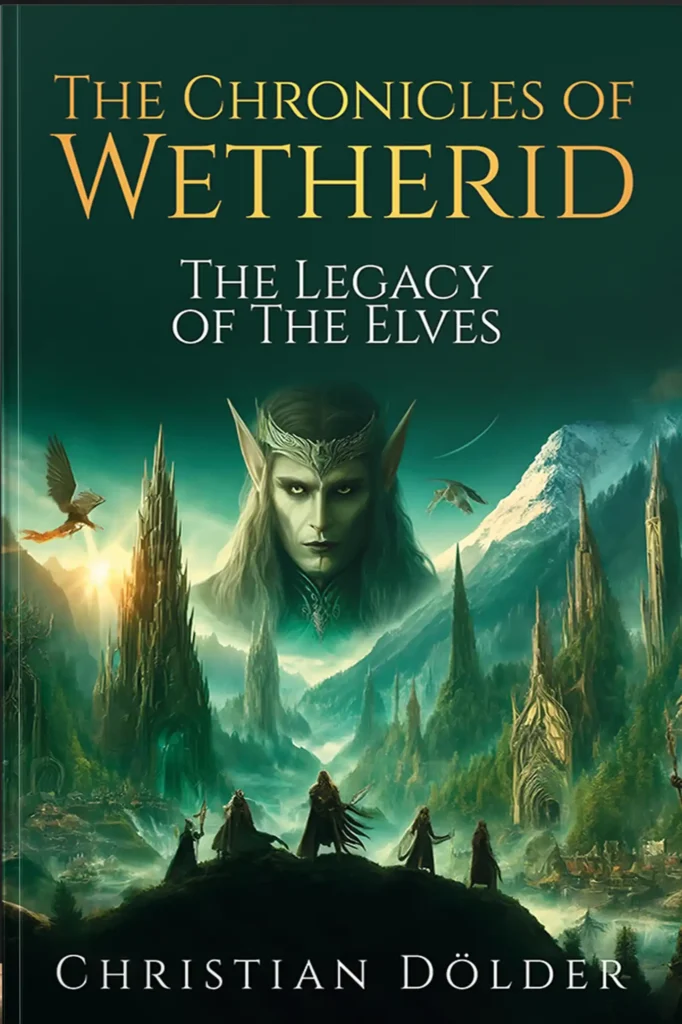
For a much longer completed story, choose according to its central interests. The Wheel of Time develops prophecy, political factions and the difficult cooperation of potential allies. Malazan combines campaigns with directly involved gods and expects you to assemble considerable context as you read. Stormlight is the choice for leadership, personal development and extensive magic if an ongoing wider series does not bother you. My own Wetherid books combine a companion quest with political events developing elsewhere, with a clearer heroic framework. A sample can help you decide whether that balance matches what you want next.
Frequently asked questions
Which books are most similar to Game of Thrones?
The First Law Trilogy is a strong choice for coercive politics, black humour and compromised characters. Memory, Sorrow and Thorn connects a succession dispute to a long journey and an older threat. The Dagger and the Coin gives banking and trade an important part in political conflict. The closest match depends on which of those interests matters most to you.
Where should I start if I have only watched the television series?
Start Martin’s A Song of Ice and Fire with A Game of Thrones and continue in publication order. The books develop viewpoints and storylines that the adaptation changes or omits. Starting at a supposed equivalent of a later season can leave you without essential context. The novel sequence is still unfinished; the television ending is not a published book ending.
Which of these fantasy series are finished?
The original First Law trilogy, Memory, Sorrow and Thorn, The Wheel of Time, the ten-novel Malazan main sequence and the five-novel Dagger and the Coin are complete. Stormlight has completed its first major arc, but the wider series is ongoing. Wetherid’s first cycle, The Legacy of the Elves, tells a complete story; its second cycle continues. Later books can also extend the worlds of completed sequences.
Why do some sets contain different numbers of volumes?
Memory, Sorrow and Thorn is a trilogy, but To Green Angel Tower is often split into two paperback parts. Some English Stormlight editions also divide individual novels. The Wheel of Time has fourteen main novels plus the separate prequel New Spring. Malazan Book of the Fallen has ten main novels. Check which titles and parts a set contains, rather than relying only on the number of books in the listing.
Do I need to enjoy very graphic violence to read these recommendations?
Abercrombie and Erikson include severe violence and its consequences. Williams, Jordan and Sanderson also depict war, loss and suffering, even where the treatment is less explicit. Political interest does not guarantee a quiet story with little combat. Read an opening sample if your preference is specifically for court intrigue or if the description of violence will affect your choice.
Christian Dölder is the mind behind the epic high-fantasy series The Chronicles of Wetherid. He writes for readers who love complex worlds, political intrigues, and mature fantasy far from the mainstream.