Guardians of the Seven Artifacts II | Epic Fantasy
Released: December 7, 2025
Volume 2

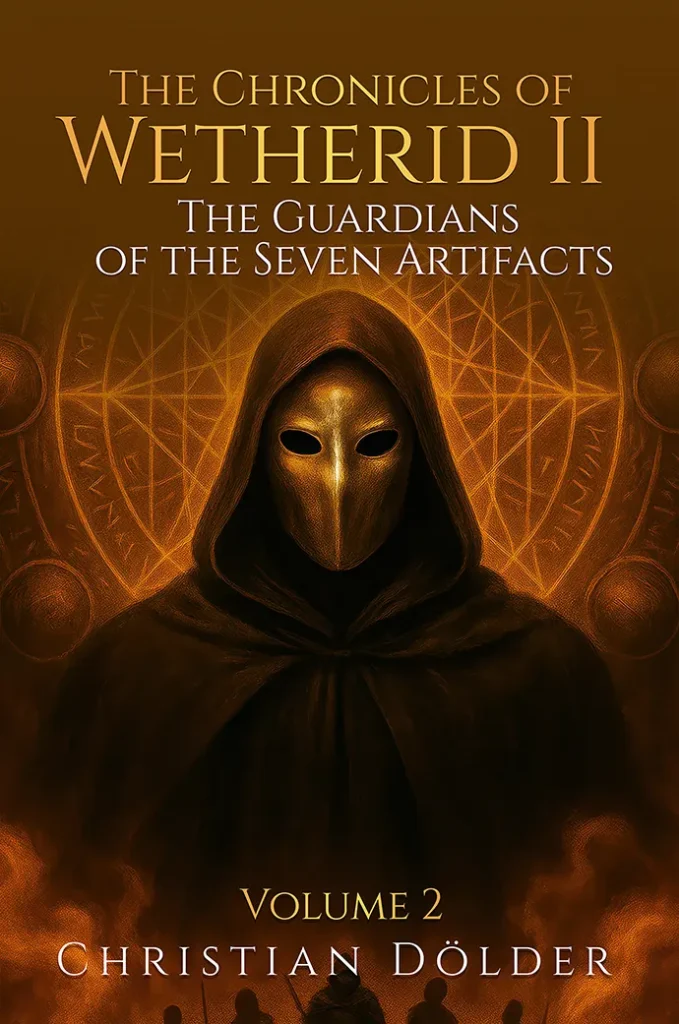
Guardians of the Seven Artifacts II

What is Guardians of the Seven Artifacts, Volume 2 about?

Gorathdin and his companions continue the search for the seven artifacts and advance toward Ingar. At the same time, Xaroth exploits drought, blackmail, betrayal, and existing hostilities to weaken Iseran, the Glorious Valley, the Dark Forest, and Astinhod.

Quick Book FAQ

  • Can I start with Volume 2? No. The story directly continues Volume 1.
  • How does the tone change? The classic artifact quest remains central, but it is now tied to betrayal, political misjudgments, and severe personal consequences.
  • Is the story complete? No. Volume 2 is part of a five-volume cycle and ends with unresolved conflicts.
  • What comes next? The story continues in Guardians of the Seven Artifacts, Volume 3.

The search for the artifacts continues. Yet while the companions advance toward Ingar, the realms behind them begin to collapse.

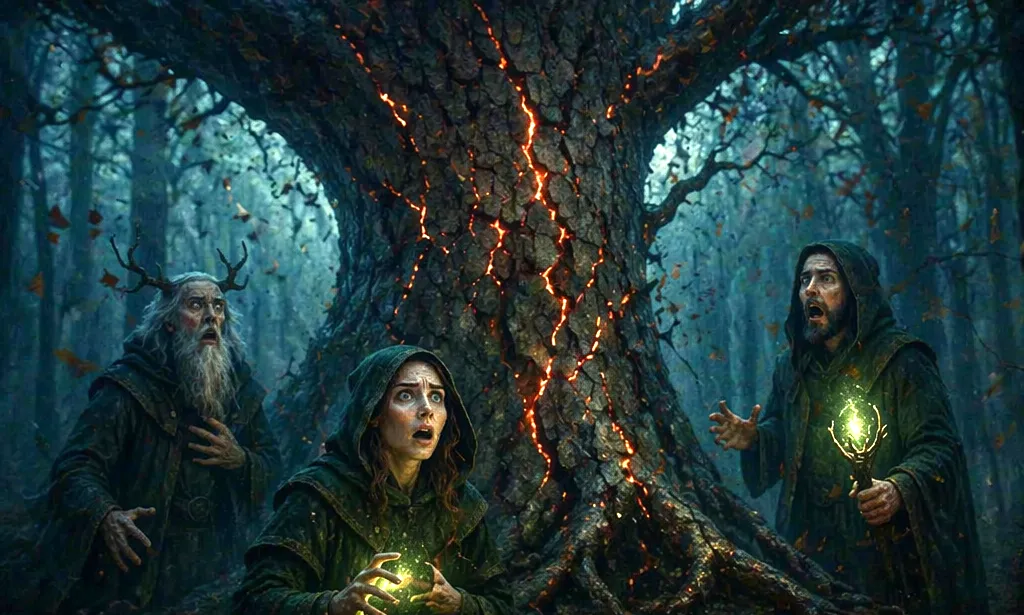
In Fallgar, Gorzod Greyswings forces Gray Dwarves, Ogres, Undead, and Mist Elves into a single alliance. None of their rulers trusts the others. Each intends to use Xaroth’s power for personal aims and is already preparing the next betrayal.

In the South, a prolonged drought destroys the homeland of the Kajirs. Sheikh Nam El Kabun leads his people into Iseran and must decide what price he will pay for food, protection, and the right to remain. Sheikh Neg El Bahi is already under Xaroth’s influence and demands not only obedience, but participation in a new war.

In the Glorious Valley, Commander Elroth falls under the control of Prince Sylvian. A past transgression makes him vulnerable to blackmail. To protect his family, he must act against his queen and his own people.

At the same time, the Dark Forest begins to die. A deliberately spread disease infects trees and plants. Disagreement over how to respond divides the Druids and Rangers while High Druid Mergoldin loses his authority.

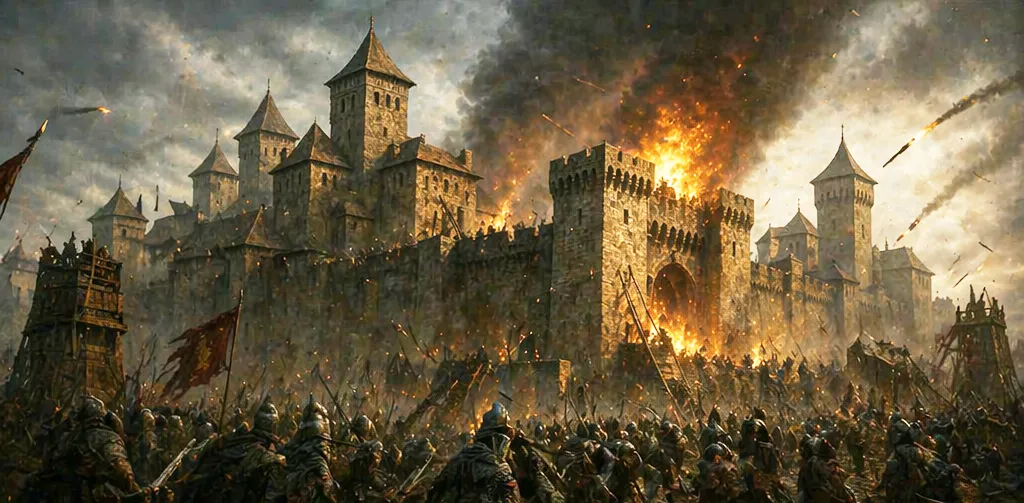
In Astinhod, Grand Duke Aldion keeps the capital under siege. The Regency Council loses control, and Lady Merdiva uses the collapse to carry out her own plans.

As these conflicts escalate, Borlix becomes the companions’ key to Ingar. In disguise, he enters the city of the Gray Dwarves, observes their military buildup, and searches for a route into the old tunnels beneath the Kirbun Mountains.


Central Characters

  • Gorathdin: Half-elf and leader of the companions; despite Queen Lythinda’s death, he continues the search for the artifacts.
  • Borlix: A dwarf from Ib’Agier; his knowledge of dwarven cities and tunnels makes him the group’s most important scout in Ingar.
  • Sheikh Nam El Kabun: Leader of the Kajirs; he must choose between his family’s honor and the survival of his people.
  • Elroth: Commander of the Glorious Elves; Prince Sylvian forces him into betrayal through blackmail.
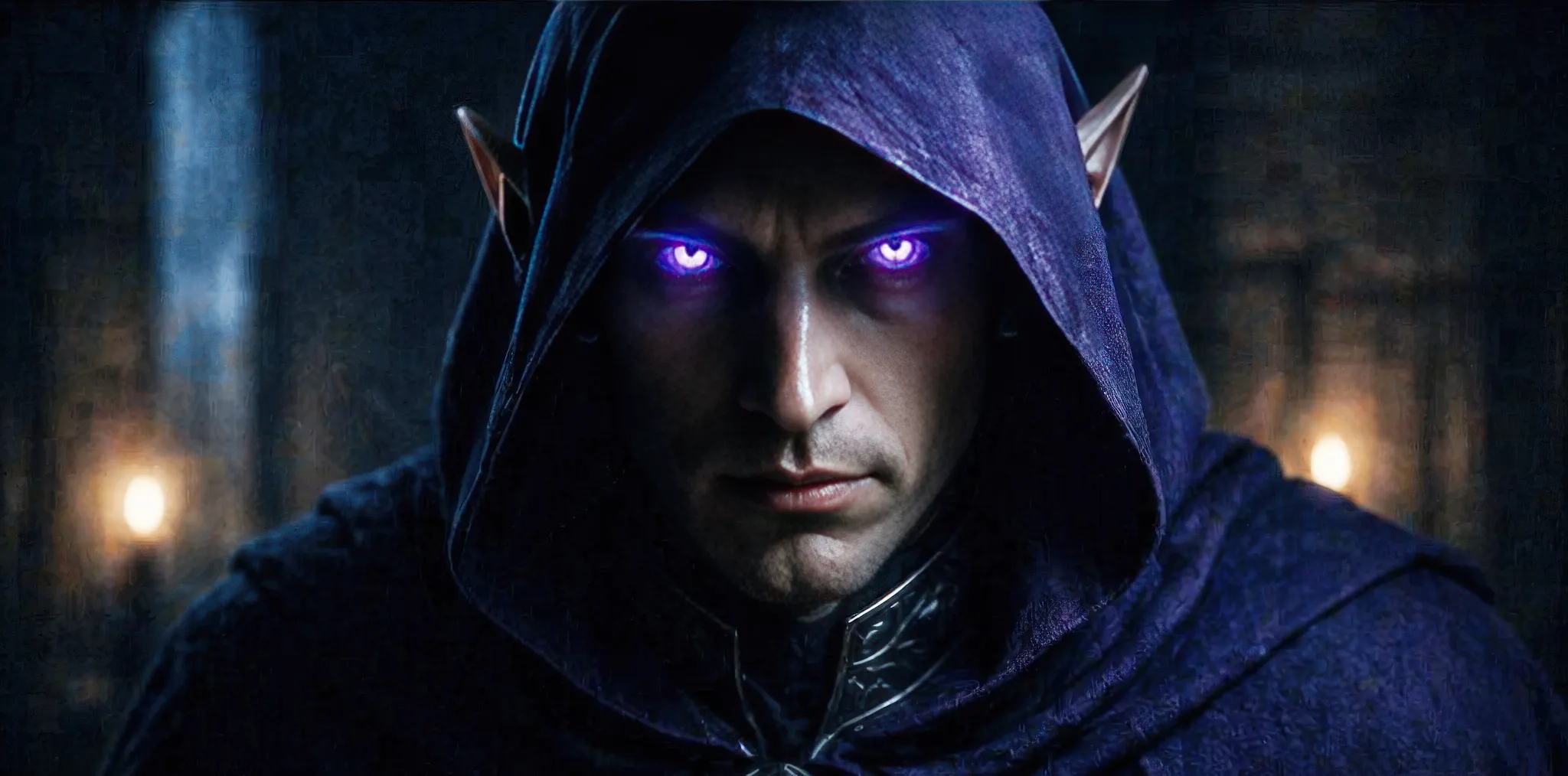
  • Prince Sylvian: Ruler of Manog Jar and leader of the Mist Elves; he uses blackmail, hostages, and political dependence.
  • Lady Merdiva: An intriguer on Astinhod’s Regency Council; she exploits the siege and the power vacuum for her own advantage.
  • Gorzod Greyswings: Orc shaman and architect of Fallgar’s alliance; he holds the dark peoples together through threats and Xaroth’s influence.

What Defines Volume 2

  • Several Simultaneous Crises: The conflicts in Ingar, Iseran, Astinhod, the Glorious Valley, and the Dark Forest unfold in parallel.
  • Betrayal with Concrete Consequences: Elroth’s blackmail, Merdiva’s plans, and Neg El Bahi’s decisions alter entire realms.
  • Borlix at the Center: The infiltration of Ingar turns him from one companion among many into the group’s decisive scout.
  • A Political Order under Threat: The danger is not limited to Xaroth’s future manifestation; his influence already drives rulers and alliances toward decisions with lasting consequences.
  • A Harsh Middle Volume: Individual successes cannot stop the simultaneous collapse of the free realms.
Comparable Authors and Series

These comparisons concern the multi-strand structure, the collapse of several realms, the experienced band of companions, betrayal, preparations for war, and a clearly defined supernatural threat. They do not claim identical prose, character work, or worldbuilding.

John Gwynne

The Faithful and the Fallen

The strongest comparison for Volume 2: several realms come under military and internal pressure at the same time. Betrayal shifts the balance of power, individual successes do not prevent strategic defeat, and the main moral conflict remains clear. Gwynne focuses more heavily on warrior families and campaigns; Wetherid on an older band of companions, several peoples, and the artifact quest.

Tad Williams

The Last King of Osten Ard

Familiar heroes increasingly lose control of a world they believed secure after an earlier victory. Old enemies exploit political tensions, family crises, and weak rulers. Williams writes more slowly and with greater emphasis on interior perspective; Wetherid states goals and dangers more directly while sending the companions through Ingar in parallel with the wider collapse.

Richard Schwartz

Die Götterkriege

A proven band of companions remains the personal core while the conflict expands across several realms, alliances, and supernatural powers. Journeys into hostile territory, political decisions, and the search for effective means against the enemy reinforce one another. Schwartz is more strongly shaped by Havald’s narrative voice; Wetherid distributes the story more broadly across rulers, peoples, and antagonists.

Raymond E. Feist

The Serpentwar Saga

After earlier victories, a new war begins across several fronts. Infiltration, military buildup, alliances, and political preparation all serve the same conflict. The comparison is especially relevant to Borlix’s reconnaissance in Ingar and the simultaneous weakening of the free realms. Feist gives more space to trade, espionage, and military campaigns; Wetherid binds the war more closely to its peoples, demonic influence, and the artifacts.

James Barclay

Chronicles of the Raven

A battle-tested group faces severe time pressure while magic and war spread across ever larger territories. Losses are permanent, and the characters cannot save every objective at once. Barclay writes more harshly, more quickly, and from the perspective of professional mercenaries; Wetherid combines the companions’ mission with councils, rulers, and independent conflicts between peoples.

Markus Heitz

The Dwarves / Legends of the Älfar

This comparison applies specifically to Ingar, the Gray Dwarves, underground strongholds, military buildup, and the direct portrayal of dark peoples. Heitz focuses his series more strongly on individual species and central heroes. Wetherid uses these elements as one of several equally important plotlines within a wider war among peoples.

Official Soundtrack

From the album Northland

Reader Reviews

"Volume 2 deepens the political conflicts and expands the world with clearly distinguishable peoples and regions. The decisions of individual characters are understandable, and the narrative maintains a clear overview of the connections. Overall, a strong expansion of the material with minor pacing issues."

— Atemis

"Volume 2 carries forward the pace of the first part and places greater emphasis on threat, preparations for war, and the rise of the dark alliance. The presentation is detailed and the characters are distinctive. For readers of classic high fantasy, this is a consistent continuation."

— Herbi-G

"The second volume begins later in the timeline, but a summary bridges the gap before the story moves quickly into new conflicts. The world expands, adding new places and peoples without losing structural clarity. The ending remains open and demands a continuation."

— RS1971

Who Is Volume 2 For?

  • For Readers of Continuing Epic Fantasy: Volume 2 directly continues every central conflict established in the first volume.
  • For Readers of Multiple Viewpoints: Companions, rulers, Elves, Kajirs, Druids, and antagonists each carry independent plotlines.
  • For Readers of Political Fantasy: Siege, blackmail, displacement, alliances, and power struggles alter the military situation.
  • For Readers of Classic Fantasy Peoples: Dwarves, Elves, Orcs, Ogres, Undead, and Humans act according to their own interests and traditions.
  • For Readers Who Expect Lasting Consequences: Decisions may protect individual characters while placing entire realms and the artifact quest at risk.

CONTINUE THE EPIC